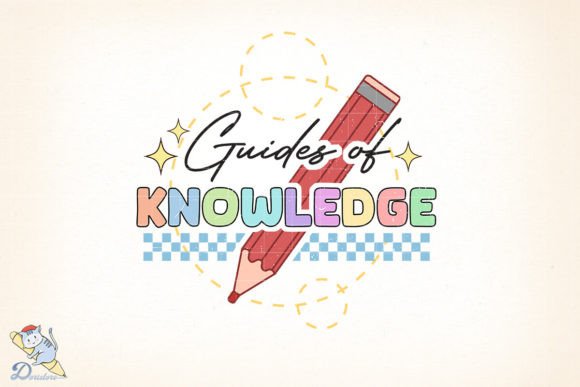
Teacher Guides of Knowledge: A Practical Review
In the landscape of digital assets for educators, small business owners, and creative professionals, finding resources that balance artistic integrity with technical utility is often a challenge. The Teacher Guides of Knowledge collection represents a specific niche within this market, offering hand-drawn illustrations designed to be both visually distinct and technically versatile. Unlike mass-produced clip art or rigid vector graphics, these pieces are rooted in traditional techniques—drawn with pen and ink in a freehand flowing line and subsequently reproduced as high-resolution digital files. This hybrid approach creates a unique texture that resonates well with audiences seeking authenticity in their visual communication.
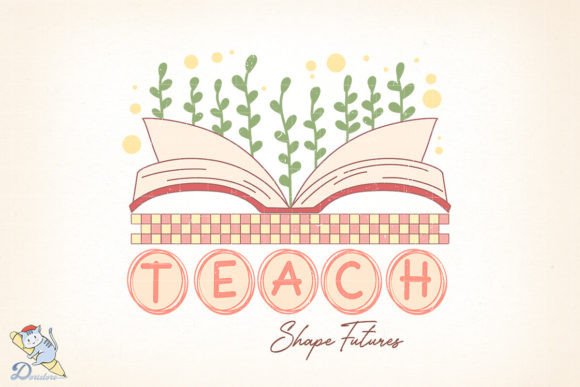
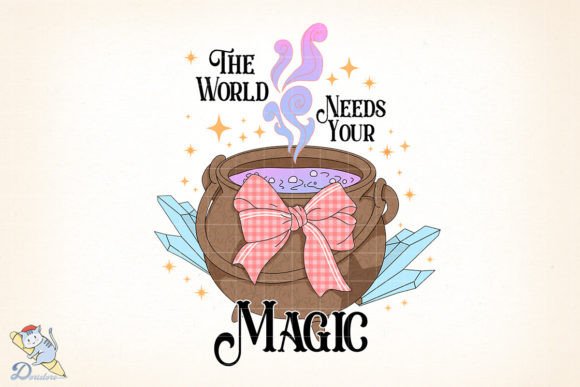
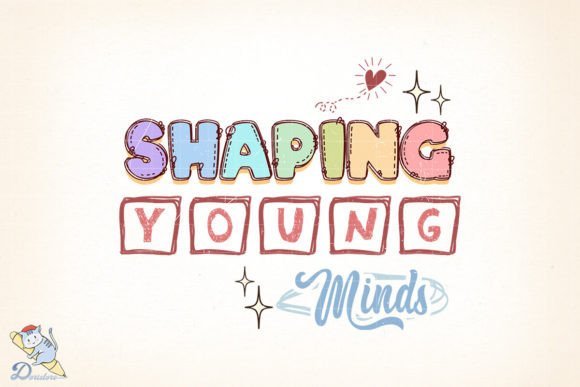
The core value proposition of Teacher Guides of Knowledge lies in its production method. By starting with physical media, specifically pen and ink, the artist captures the organic imperfections and fluidity that are difficult to replicate digitally from scratch. These lines are not generated by algorithms; they possess the weight, pressure variation, and rhythm of a human hand. Once digitized, the artwork is enhanced with watercolour brushes to pick out highlight colours. This selective use of colour ensures the design remains clean and legible while adding a touch of warmth and depth. For professionals looking to elevate their materials without resorting to generic stock photography, this style offers a sophisticated alternative.
Technical Specifications and File Quality
When evaluating digital assets for professional use, technical specifications are just as critical as aesthetic appeal. The Teacher Guides of Knowledge package delivers a set of PNG files contained within a zipped folder. The resolution is specified at 300 DPI with dimensions of 4000×4000 pixels. This specification is significant for several reasons. A resolution of 300 DPI is the industry standard for high-quality print production, ensuring that when the image is printed, it retains sharpness and detail without pixelation. The 4000×4000 pixel dimension provides substantial flexibility, allowing users to scale the image down for web use or crop sections for specific layouts without losing fidelity.
The format chosen, PNG, is particularly advantageous for this type of artwork because it supports transparency. The product description explicitly notes that these images have a transparent background. This feature is essential for designers who need to overlay the illustration onto various backgrounds, such as website headers, social media graphics, or printed merchandise. Unlike JPEGs, which force a solid white or black background, the transparent PNG allows the intricate pen lines and watercolour washes to blend seamlessly into any design environment. This versatility makes the Teacher Guides of Knowledge files suitable for a wide range of applications, from educational worksheets to branding materials.
Applications in Sublimation and Printing
The intended uses for these digital files extend beyond simple document decoration. The product details indicate that the PNG files are intended for sublimation, waterslide transfers, or regular printing. This broad applicability makes them a valuable asset for entrepreneurs and creators who engage in physical product manufacturing. For instance, a teacher creating custom classroom decor could print these designs on canvas or poster paper using a standard printer. Alternatively, a small business owner specializing in personalized gifts could utilize the files for sublimation onto mugs, t-shirts, or phone cases.
Sublimation printing requires high-resolution images with vibrant colours to ensure the transfer process results in a durable and clear final product. The combination of the crisp ink lines and the watercolour highlights in the Teacher Guides of Knowledge series is well-suited for this medium. The contrast between the dark ink and the lighter watercolour tones typically translates well during the heat press process, maintaining the artistic character of the original drawing. Similarly, for waterslide transfers, which are often used for decorating ceramics or glass, the fine details of the freehand lines remain intact, provided the user adheres to proper printing protocols.
Aesthetic Analysis: Pen, Ink, and Watercolour
The visual style of Teacher Guides of Knowledge is defined by its commitment to traditional artistic methods. The "freehand flowing line" technique creates a sense of movement and energy that static, computer-generated lines often lack. In an era where digital perfection can sometimes feel sterile, the slight variations in line weight and the natural flow of the ink evoke a sense of craftsmanship. This is particularly effective in educational contexts, where the goal is often to inspire curiosity and engagement rather than simply convey information.
The addition of watercolour brushes serves to accentuate key elements without overwhelming the composition. By picking out only a few highlight colours, the design maintains a minimalist aesthetic while still providing visual interest. This restraint is a hallmark of good design; it allows the subject matter to take center stage. For educators, this means the illustrations can enhance learning materials without becoming distracting. For marketers and bloggers, it offers a way to create content that feels personal and curated, distinguishing their brand from competitors relying on generic imagery.
Limitations and Considerations for Buyers
While the Teacher Guides of Knowledge collection offers significant advantages, potential buyers should be aware of certain limitations to manage expectations effectively. First, it is crucial to understand that this is a digital instant download. There are no physical items shipped, and the product consists solely of the digital files. Furthermore, the listing explicitly states that there are no cutting files included. This is a vital distinction for users who rely on machines like Cricut or Silhouette Cameo for their projects. Without SVG or DXF files, these images cannot be easily cut by vinyl cutters, limiting their use for decal-making or layered craft projects that require precise die-cutting.
Another consideration involves color consistency. As noted in the product details, colors may vary between devices and printers. Digital screens render colors differently than physical paper, and different printer models interpret color profiles uniquely. Users intending to use these files for commercial products where color matching is critical should test print a sample before committing to a large batch. The watercolour effect, in particular, relies on subtle gradients that might shift slightly depending on the inkjet or laser printer used. However, for most general applications, these variations are negligible and do not detract from the overall quality.
Target Audience and Strategic Value
The Teacher Guides of Knowledge resource is ideally suited for a diverse group of professionals aged 20–50. Educators and publishers will find immediate value in the ability to create engaging, high-quality visual aids for lesson plans, workbooks, and online courses. The hand-drawn aesthetic aligns well with modern pedagogical trends that favor warm, inviting visuals over rigid, corporate-style graphics.
For entrepreneurs and freelancers, particularly those in the maker economy, these files offer a cost-effective way to source unique artwork for their products. Instead of commissioning a custom illustration for every project, purchasing a versatile file like this allows for rapid prototyping and product development. Bloggers and content creators can also leverage these images to break up text-heavy articles, improving readability and time-on-page metrics, which are important factors for SEO and audience retention.
Ultimately, the decision to invest in Teacher Guides of Knowledge depends on the specific needs of the project. If the workflow requires scalable vector graphics for cutting machines, this product may not be the right fit. However, for anyone seeking high-resolution, printable raster images with a distinct artistic flair, it presents a compelling option. The combination of technical reliability, aesthetic charm, and practical flexibility makes it a robust tool for enhancing digital and physical creative outputs.